3 hr
French Quarter Culinary Walking Experience
Taste your way through the historic heart of New Orleans with up to 9 authentic local dishes
Reserve
Hand-picked by our editors — only the best 5 culinary experiences from 18 reviewed.
Verified partners for every tour, free cancellation where available, and instant confirmation on every booking.
3 hr
Taste your way through the historic heart of New Orleans with up to 9 authentic local dishes
Reserve
2 hr 30 min
Savor authentic Cajun and Creole cuisine while exploring historic New Orleans with a local guide
Reserve
2 hr
Discover the soul of New Orleans on an intimate guided stroll through its oldest district
ReservePrices from verified partners. Availability updates in real time at checkout. Free cancellation policies apply where shown.
The landmarks, rooms, and views travelers on this tour remember — all visible on a single visit.
These experiences serve distinct purposes; visitors seeking to understand the cultural evolution of local creole dishes through taste should select the food tour, while those prioritizing broad architectural context will prefer the general tour.
| Feature | Top pick Food History Tour | General History Tour |
|---|---|---|
Primary Focus |
Culinary origins and tasting | Architecture and landmarks |
Sensory Experience |
High (tasting and smelling) | Low (visual and auditory) |
Historical Depth |
Focused on gastronomy | Broad civic evolution |
Duration |
2.5–3 hours | 1.5–2 hours |
Cost Implications |
65–95 USD (summer) | 25–40 USD (summer) |
| See tickets → |
Verdict: Securing french quarter food history walking tour tickets is ideal for travelers who learn through flavor profiles, whereas the general New Orleans landmarks tour offers a more comprehensive overview of the district for a lower price.
Choose your ticket, select your date, and reserve in under two minutes. Secure checkout handled by our verified partner.
Instant confirmation by email, with a mobile voucher you can save offline. No printing, no queuing at a collection desk.
Arrive at the entrance, show your voucher on your phone, and walk in. Most tickets include priority or skip-the-line access.
Practical details for your visit straight from our verified partners — hours, access, rules, and how to get there.
701 Decatur St, New Orleans, LA 70116
Directly in front of St. Louis Cathedral
Use the Canal Street or Riverfront streetcar lines to reach the edge of the district.
Direct drop-off at major Quarter entry points.
Wear comfortable walking shoes suitable for uneven historic brick and cobblestone streets. Casual, breathable clothing is recommended due to high summer humidity.
Keep belongings minimal. Most restaurant stops on a french quarter food history walking tour have limited space for large bags.
Photography is encouraged throughout the french quarter food history walking tour. Capture architectural details, but be respectful of private property and other diners.
The French Quarter features uneven sidewalks and historic infrastructure. While many venues on a french quarter food history walking tour are accessible, please notify your operator of mobility needs in advance.
Mobile phones are permitted for photos and navigation. Please silence devices during guide presentations on your french quarter food history walking tour.
The french quarter food history walking tour is family-friendly and open to all ages. It provides an engaging way for children to learn about local heritage through food.
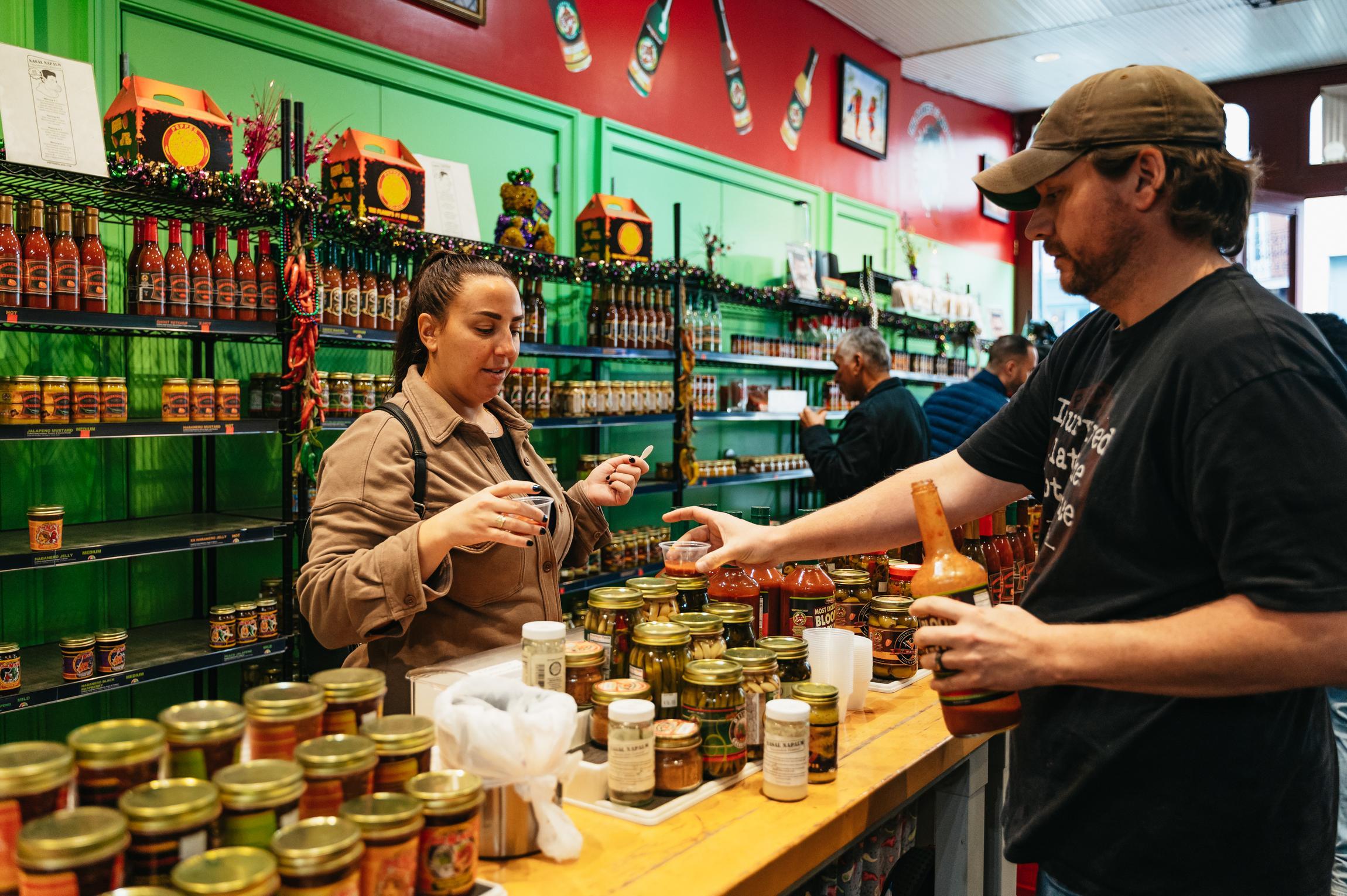
Food tastings are included in the ticket price. Beverages can be purchased at most restaurant stops; consider carrying a refillable water bottle.
Service animals are permitted, but general pets are discouraged due to limited space in partner restaurants.
Check your specific french quarter food history walking tour booking for dietary restrictions, as not all operators can accommodate specialized diets.
701 Decatur St, New Orleans, LA 70116
Directly in front of St. Louis Cathedral
Get directionsBest time to go, insider tips, nearby landmarks, and the cancellation fine print — flip through to skim what matters to you.
How crowds, weather, and events shift across the year.
March–May offers mild weather, but be prepared for heavy festival crowds.
June–August is hot and humid, but often quieter for tour bookings.
September–November provides cooling temperatures and excellent walking conditions.
December–February is ideal for lower crowds and pleasant walking weather.
Small details that turn a good visit into a great one.
Reserve your french quarter food history walking tour tickets well in advance during peak spring months.
Carry water, especially when walking the French Quarter in summer heat.
Confirm if your chosen tour operator can manage your allergies before purchasing tickets.
Aim for the 09:00–11:00 arrival window to enjoy the French Quarter before the midday heat.
Non-bookable sights within a short walk — free to visit, easy to pair.
The oldest continuously active Roman Catholic cathedral in the U.S.
Historic open-air market with local vendors.
Famous site for beignets and coffee.
Historic building housing exhibits on Mardi Gras and local history.
Flexible, no hidden fees.
Tours typically require 24-hour notice for a full refund. As the French Quarter is a public space, there is a 0 USD entrance fee; individual tour operator fees apply.
Hand-picked options within walking distance — pick a district for vibe, or a specific hotel for convenience.
Historic hotel featuring the famous Carousel Bar.
Charming property located right in the French Quarter.
Various boutique hotels located near Canal Street.
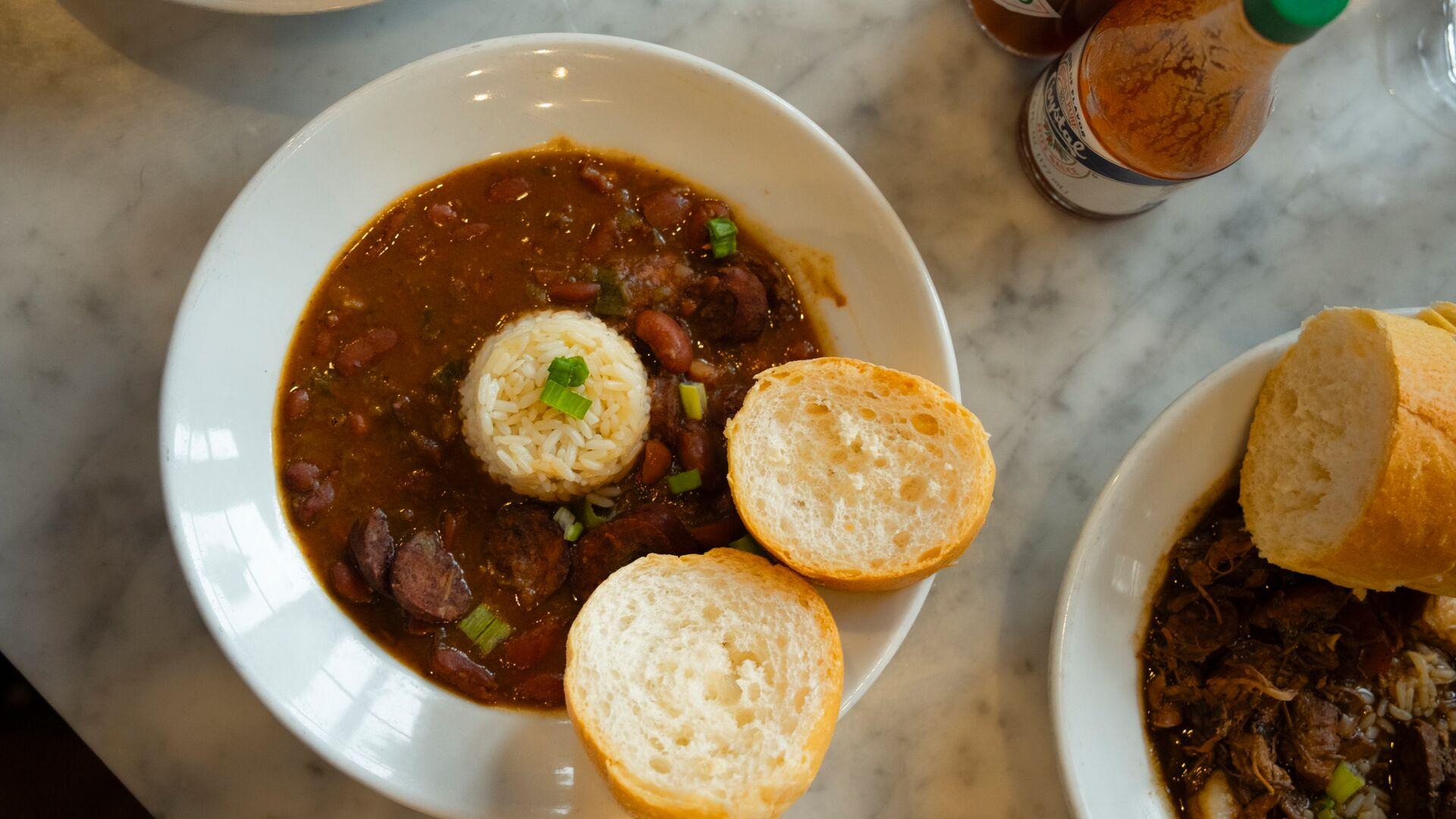
New Orleans invented the po'boy sandwich in 1929 during a streetcar strike when the Martin brothers fed unemployed workers free sandwiches stuffed with fried potatoes and roast beef scraps. That act of generosity crystallized the French Quarter's culinary ethos: food as community currency, blending French technique, West African spice wisdom, and Caribbean improvisation into something entirely distinct. The Vieux Carré's kitchens have operated as laboratories of Creole identity since the Spanish colonial period, when free women of color sold calas—sweet rice fritters—on street corners to support their families. Café Du Monde opened in 1862, anchoring the French Market's role as the hemisphere's oldest continuous public market, and its beignet recipe remains unchanged: choux pastry fried in cottonseed oil, dusted with powdered sugar, served on wax paper. The French Quarter food history walking tour tradition emerged in the 1990s as preservationists sought alternatives to ghost folklore, recognizing that gumbo's roux and the muffuletta's olive salad carried more authentic cultural weight than vampire myths. Guides trace the evolution of Creole versus Cajun cooking, explaining how tomatoes entered gumbo only after Sicilian immigrants arrived in the 1890s, and how the oyster Rockefeller was invented at Antoine's in 1899 to replace escargot during a snail shortage. These tours decode the architectural kitchens themselves: cast-iron balconies once held herb gardens, courtyards housed brick ovens, and service alleys connected plantation-style cookhouses to dining rooms. The district's 2,900 historic structures include operating restaurants in buildings that predate Louisiana's statehood, where brick walls still smell faintly of two centuries of simmering stock. Today's culinary walking experiences layer tasting stops with archival storytelling. Participants sample pralines whose pecan-and-cream formula dates to French nuns, taste jambalaya that reflects Spanish paella's influence, and learn how chicory entered local coffee during the Civil War blockade. The French Quarter's food history remains a living syllabus: corner groceries still sell filé powder for gumbo, bakeries hand-roll king cakes during Carnival season, and zinc-topped bars serve Sazeracs mixed according to 1850s proportions. These tours position hunger as the most reliable guide to understanding how three centuries of migration, trade, and survival created a cuisine unmatched in American regional cooking.
"The Vieux Carré's kitchens have operated as laboratories of Creole identity since the Spanish colonial period, when free women of color sold calas on street corners to support their families."
A step-by-step walkthrough of the visit — what you'll see, how long each stage takes, and the details that matter.
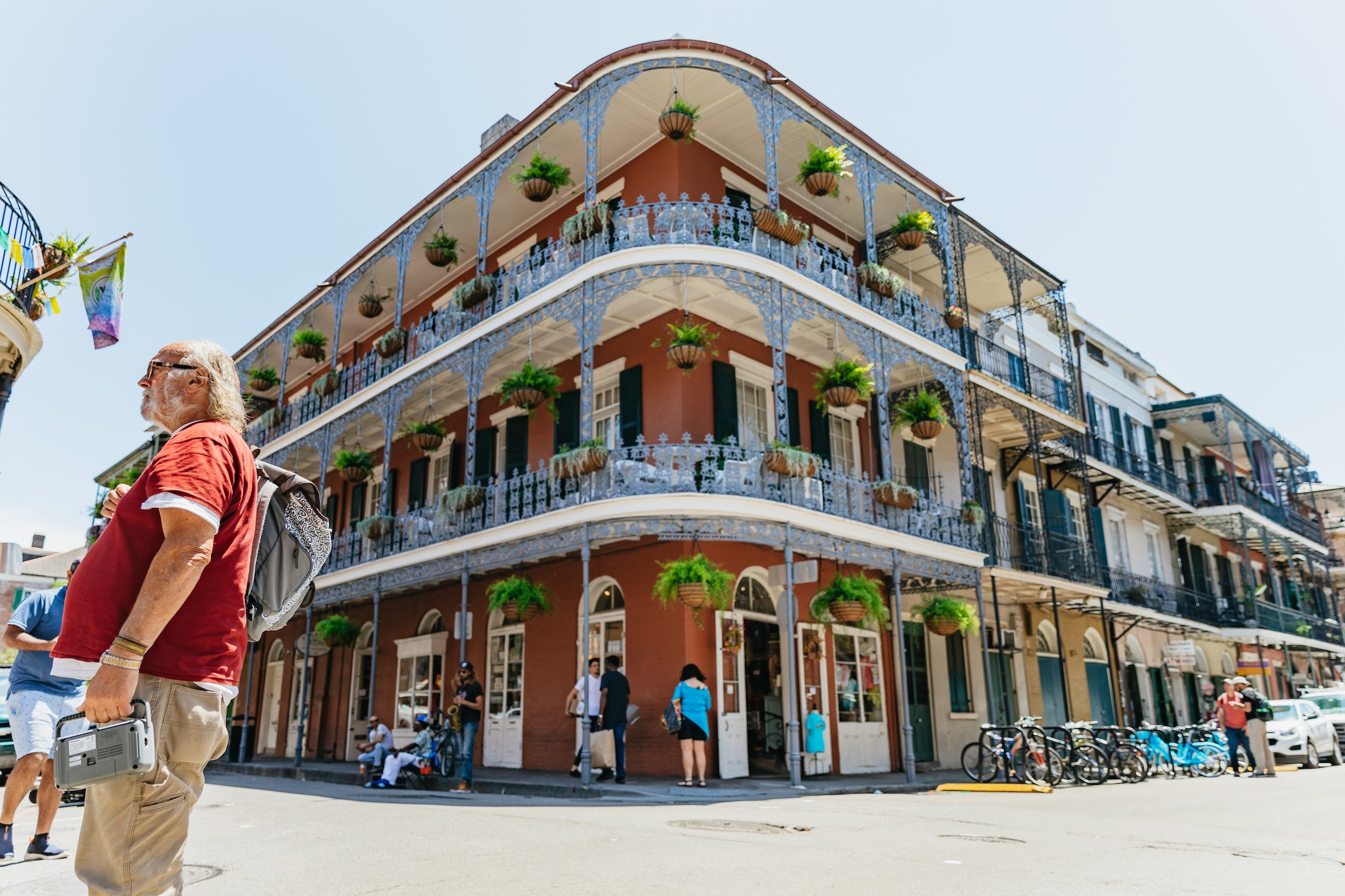
You meet your guide near Jackson Square as morning light warms the French Market colonnade. The first stop is a century-old bakery where you taste beignets still made from the 1862 recipe—three per order, always—and learn why chicory coffee became a New Orleans staple during supply shortages. Your guide explains the difference between Creole and Cajun seasoning as you walk past cast-iron balconies that once held kitchen herb gardens, pointing out courtyard ovens visible through wrought-iron gates. At a muffuletta shop, you sample the olive salad that Sicilian immigrants invented to stretch scarce meat, then pause outside Antoine's to hear the oyster Rockefeller origin story. The tour winds through narrow service alleys where enslaved cooks once carried dishes from detached kitchens to dining rooms, and you taste pralines whose pecan-and-cream formula hasn't changed since French Ursuline nuns adapted European recipes to Louisiana ingredients. Your guide decodes menu French—étouffée, debris, mirliton—and explains how gumbo's roux technique came from West Africa, not France. The final tasting is jambalaya at a restaurant operating in a building that predates 1803, and you finish with a Sazerac demonstration at a zinc-topped bar, learning why rye whiskey replaced cognac after phylloxera devastated French vineyards. You leave with a recipe card and a pocket map marking the oldest Creole kitchens still serving their original dishes.
Yes, booking french quarter food history walking tour tickets in advance is strongly recommended, especially during peak seasons.
A typical french quarter food history walking tour lasts between 2 and 3 hours.
Most of the French Quarter is historic; while the tour is walking-based, please discuss specific accessibility needs with your operator.
Bring comfortable shoes, sunscreen, water, and a hat for your french quarter food history walking tour.
Yes, tours generally run daily, with operators offering slots between 09:00 and 19:00.
Yes, the french quarter food history walking tour is family-friendly and suitable for all ages.
The meeting point is typically at Jackson Square, near the St. Louis Cathedral, though check your confirmation for specific details.
Most operators require 24-hour notice for a full refund on french quarter food history walking tour bookings.
The French Quarter is generally safe, but keep your belongings secure and stay in well-lit, busy areas.