
English| EUR
Suggested for you
More currencies
Choose a language
The French Quarter's food tours trace three centuries of Creole, Cajun, and immigrant influences across a dozen blocks of wrought-iron balconies and hidden courtyards. Every tour operator charts a slightly different route, but the signature flavors remain constant: chicory coffee, powdered-sugar beignets, andouille-stuffed gumbo, and fried seafood po'boys. This guide maps what you'll taste, where you'll walk, and how to choose the tour that matches your appetite.
Quick answer
A French Quarter food tour in New Orleans typically runs two to three hours and covers five to eight tasting stops within the historic Vieux Carré district. Tours operate daily year-round, with most departures scheduled between 9:00 AM and 5:00 PM to align with restaurant service windows. Signature tastings include beignets at century-old cafés, gumbo from Creole kitchens, muffuletta sandwiches, and pralines from French Market confectioners. Group sizes range from eight to fifteen guests, and routes span roughly one mile of flat, pedestrian-friendly streets.
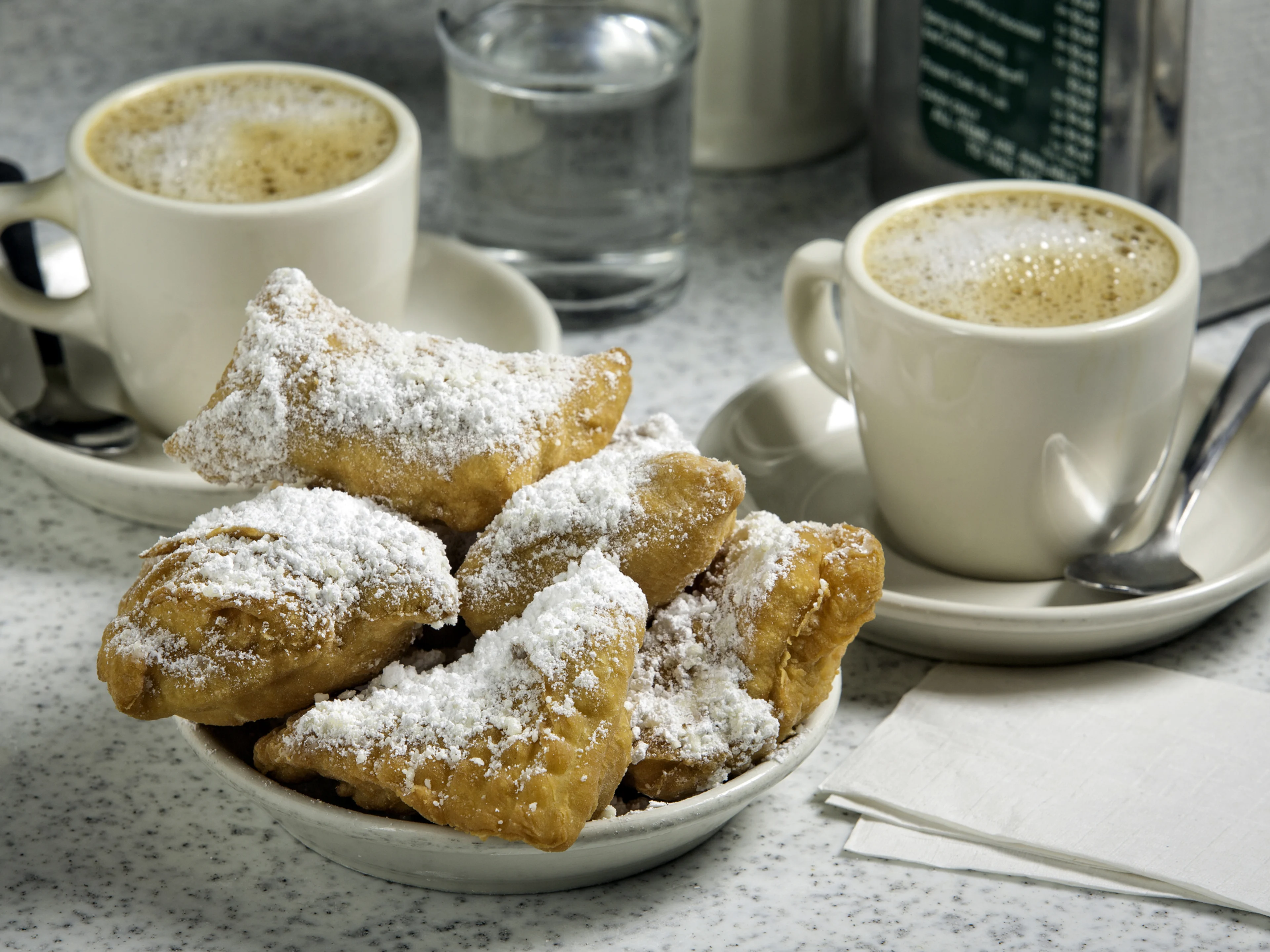
New Orleans remains the only American city where a single neighborhood can credibly claim authorship of beignets, muffulettas, and the Sazerac cocktail. The French Quarter food tour signature flavors of New Orleans distill that three-century culinary archive into a walkable afternoon, connecting dishes to the cooks, immigrants, and port trade that shaped them. A Creole gumbo recipe carries West African okra, French roux technique, and Choctaw filé powder in one bowl. A po'boy sandwich commemorates the 1929 streetcar strike, when Benny and Clovis Martin fed striking workers on donated bread. Every tasting stop doubles as a chapter in the city's edible history. Most tours launch from Jackson Square or the French Market and proceed through the lower Quarter's restaurant corridor along Royal, Chartres, and Decatur Streets. Guides typically begin with café au lait and beignets, the powdered-sugar fritters that Ursuline nuns adapted from French market pastries in the 1700s. Mid-tour stops introduce gumbo, jambalaya, and étouffée—the holy trinity of Creole cooking built on onion, celery, and bell pepper. Later tastings feature muffuletta from Central Grocery, where Sicilian immigrants stacked cured meats and olive salad on sesame-crusted rounds, and pralines from fourth-generation candy makers who still stir cane sugar and pecans in copper pots. Guided culinary walks through the Vieux Carré differentiate themselves by venue access and narrative depth. Some tours partner with James Beard-nominated chefs for back-of-house kitchen demonstrations. Others emphasize the French Market's public stalls, where vendors sell alligator sausage, Creole cream cheese, and Louisiana hot sauce in bulk. A French Quarter food tour signature flavors of New Orleans guide explains why red beans appear on Monday menus, how the Café du Monde beignet became a global export, and which restaurants still follow nineteenth-century Creole recipes published in The Picayune Creole Cook Book. The Quarter's compact geography means every tour covers similar blocks, but the stories and kitchen relationships define the experience. Seasonal timing affects ingredient availability but not tour schedules. Crawfish season peaks from late winter through early summer, when boiled mudbugs replace off-season shellfish in étouffée and bisque. Hurricane-season humidity from June through November makes walking tours more strenuous, though morning departures avoid the afternoon heat. The French Quarter operates under consistent schedules year-round, with most restaurants serving continuously from breakfast through late evening. Tour operators adapt routes when individual venues close for private events, but the signature dishes—gumbo, beignets, po'boys, and pralines—remain available daily across dozens of kitchens.
“A Creole gumbo recipe carries West African okra, French roux technique, and Choctaw filé powder in one bowl.”
The best arrival window for a French Quarter food tour is 09:00–17:00, which allows visitors to access culinary venues before the onset of evening crowds. Planning your tour during these hours ensures more attentive service and a quieter atmosphere at each stop.
—
These hours provide the most relaxed pace for navigating the French Quarter and interacting with vendors.
Warm, 70–85°F
Spring offers pleasant conditions for walking between food locations before the intense heat of summer.
Mild, 65–80°F
Lower humidity and comfortable temperatures make these months ideal for outdoor food tours.
Verdict: The optimal time to experience these tours is Tuesday to Thursday during the 09:00–17:00 window, particularly throughout the months of April or October.
The French Quarter Food Tour Signature Flavors of New Orleans operates on a continuous schedule to accommodate visitor interest in local culinary traditions. The tour service remains available throughout the week.
The French Quarter is a public district with no district-wide admission fee. Costs associated with the Signature Flavors of New Orleans tour are determined by the specific tour operator.
Verdict: While district entry is 0 USD, visitors should expect to pay varying rates for guided food tours depending on the operator and inclusions.
The French Quarter is located in the heart of New Orleans and is best navigated on foot due to its dense, historic street layout. Public transit and rideshare options provide convenient access to the district's perimeter.
Walk from Canal Street into the French Quarter
RTA Bus routes to Canal Street or Basin Street
St. Charles or Canal Streetcar lines to Canal St terminal
Taxi or rideshare to the French Quarter perimeter
The optimal time for walking tours to access food venues before evening crowds is during the 09:00–17:00 arrival window. Parking within the district is limited, so arriving via public transit or a short walk from nearby areas is recommended.
Navigating a culinary tour requires preparation to ensure you focus on the local flavors rather than logistical concerns.
French Quarter tours often sell out weeks ahead, especially during weekends and festival seasons. Securing your spot early allows for better planning of your overall itinerary.
The French Quarter features uneven cobblestones and historic brick sidewalks that are difficult to navigate in heels. Wear supportive, closed-toe walking shoes to stay comfortable throughout the multi-stop excursion.
It is standard practice to tip tour guides 15 to 20 percent of the tour cost for a positive experience. Prepare cash in advance, as guides may not have change and credit card tipping options vary by operator.
Most food tours offer generous tastings that serve as a full meal, so avoid scheduling heavy dining immediately before or after. Hydrate frequently, particularly during warmer months when humidity levels rise significantly.
Tours operate on tight schedules to visit multiple kitchens, so arrive at the designated meeting point early. Staying with the group ensures you hear the guide's insights and receive your food samples promptly.
Everything you need to know about french quarter food tour signature flavors of new orleans
A typical experience focuses on iconic local dishes such as gumbo, jambalaya, and beignets while walking through historic streets. This french quarter food tour signature flavors of new orleans provides historical context regarding the culinary heritage of the region. Guests get to taste authentic recipes developed by local chefs across several stops.
Yes, these walking excursions are generally welcoming to families, though it is wise to consider the walking distance involved for younger travelers. Most operators provide options to accommodate dietary needs if requested during the booking process. The casual atmosphere makes it a comfortable activity for most ages.
The best arrival window for these activities is 09:00–17:00. This timing allows you to access popular eateries before they become crowded with evening diners. Exploring during these hours also provides better natural lighting for viewing architecture.
While there is 0 USD entry fee for the concept of exploring the area, individual commercial tour products have their own specific costs. You will need to check the booking widget for specific pricing related to each tour operator. Prices vary based on the duration and the number of food tastings included.
Yes, securing your spot ahead of time is recommended to ensure availability, as group sizes are often limited to preserve the experience. You can manage your booking through the provided scheduling tools on this site. Doing so guarantees your place on the route.
Yes, the area is open Monday through Sunday, 00:00–23:59, allowing for scheduling flexibility. Tours operate throughout the week, providing consistent access to local flavors regardless of the day. You can verify specific departure times via the booking portal.