3 hr
French Quarter Culinary Walking Experience
Three-hour guided tasting adventure through historic New Orleans with up to nine authentic local dishes
Reserve
Hand-picked by our editors — only the best 5 culinary experiences from 42 reviewed.
Verified partners for every tour, free cancellation where available, and instant confirmation on every booking.
3 hr
Three-hour guided tasting adventure through historic New Orleans with up to nine authentic local dishes
Reserve
2 hr 30 min
Savor authentic Creole and Cajun cuisine while exploring historic New Orleans with a local guide
Reserve
2 hr
Discover the historic heart of New Orleans through captivating tales and iconic landmarks
ReservePrices from verified partners. Availability updates in real time at checkout. Free cancellation policies apply where shown.
The landmarks, rooms, and views travelers on this tour remember — all visible on a single visit.
This historic church features three iconic steeples and serves as a primary landmark for the French Quarter food walking tour. It was completed in 1850 and stands as the heart of the square.
This historic park was originally the Place d'Armes in the colonial era. It serves as the central hub for our French Quarter food walking tour.
Known for world-class antique shops, this street offers a quiet alternative to busier thoroughfares. Many tour stops are found along its charming, historic path.
This legendary venue has been serving beignets since 1862. Guests on the French Quarter food walking tour often stop here to sample the local staple.
Constructed in 1791, this building was originally designed for church officials but now hosts fascinating local museums. It remains a key landmark on the tour route.
Food-focused outings offer an immersive taste of local Creole cuisine, while the historical route provides a deep dive into the neighborhood landmarks and colonial past. Choosing between french quarter food walking tour tours and a narrative-driven walk depends on whether your priority is culinary indulgence or scholarly exploration.
| Feature | Top pick Food Walking Tour | Historical Walking Tour |
|---|---|---|
Primary Focus |
Culinary tastings | Architectural and cultural narrative |
Tasting Opportunities |
Multiple local dish samples | None provided |
Depth of Architectural History |
Supplementary context | Extensive, detailed analysis |
Average Pace |
Leisurely for dining | Steady for site coverage |
Ideal For |
Food enthusiasts | History and photography buffs |
| See tickets → |
Verdict: Select the french quarter food walking tour if you prioritize sensory experiences, or book historical french quarter food walking tour tickets if you prefer comprehensive storytelling about the city's foundations.
Choose your ticket, select your date, and reserve in under two minutes. Secure checkout handled by our verified partner.
Instant confirmation by email, with a mobile voucher you can save offline. No printing, no queuing at a collection desk.
Arrive at the entrance, show your voucher on your phone, and walk in. Most tickets include priority or skip-the-line access.
Practical details for your visit straight from our verified partners — hours, access, rules, and how to get there.
700 Decatur St
Look for the guide with the official logo
Use the St. Charles Streetcar line to reach Canal Street. Walk from there into the heart of the district.
Ride-share services provide direct drop-off at major squares. Verify local traffic restrictions.
Wear comfortable walking shoes and weather-appropriate clothing. New Orleans is humid in summer, so breathable fabrics are recommended for every French Quarter food walking tour.
Keep bags lightweight as you will be navigating crowded sidewalks. Security relies on personal vigilance during your New Orleans culinary excursion.
Photography is permitted throughout the district. Capture the architecture while on your French Quarter food walking tour, but please remain aware of your surroundings.
The historic streets feature uneven sidewalks and cobblestones. Please contact the tour operator in advance if you require accommodation for mobility devices on this French Quarter food walking tour.
Mobile phones are permitted for photos and navigation. Use them discreetly while the guide speaks.
The French Quarter food walking tour is suitable for older children who can manage the walking distance. Consider nap schedules and heat during the summer months.
Food tastings are included in the ticket price. Inform the operator of allergies prior to your French Quarter food walking tour.
Service animals are permitted with prior notification. Personal pets are generally not allowed on the French Quarter food walking tour due to dining venue restrictions.
Arrival 15 minutes before the scheduled time is standard. Gratuities for your guide are appreciated on any French Quarter food walking tour.
Best time to go, insider tips, nearby landmarks, and the cancellation fine print — flip through to skim what matters to you.
How crowds, weather, and events shift across the year.
March to May offer mild temperatures perfect for outdoor walking. Crowds are moderate before the summer heat settles in.
June to August brings high heat and humidity. Focus on early morning time slots to complete your French Quarter food walking tour comfortably.
September to November provides relief from the heat. This is an ideal period for visiting local New Orleans landmarks.
December to February is cooler and festive. Outdoor walking is pleasant, though peak holiday events can increase crowd levels.
Small details that turn a good visit into a great one.
Carry a water bottle to combat the summer humidity. Most vendors focus on food rather than hydration.
Secure your French Quarter food walking tour tickets well in advance during peak season. High demand can limit availability for weekends.
Gratuity is customary for excellent service on your New Orleans food exploration. Bringing cash ensures you can thank your guide directly.
Sun exposure is high even on cloudy days. Protect your skin throughout the walk.
Keep an eye on uneven sidewalks and busy street corners. The district is historic and features varied terrain.
Non-bookable sights within a short walk — free to visit, easy to pair.
The oldest cathedral in North America dominates the skyline. View its unique triple-spire architecture.
This historic building houses exhibits on New Orleans history. It is situated right next to the cathedral.
Famous for chicory coffee and powdered sugar beignets. A central gathering spot for tourists and locals.
Renowned for antique shops and art galleries. A scenic route for strolling through the neighborhood.
Flexible, no hidden fees.
Full refunds are typically provided for cancellations made at least 24 hours before the scheduled French Quarter food walking tour. Late cancellations or no-shows forfeit the booking fee.
Hand-picked options within walking distance — pick a district for vibe, or a specific hotel for convenience.
Historic hotel featuring a famous rotating bar. Located on Royal Street.
Central location with a rich history. Excellent access to the French Quarter food walking tour route.
Vibrant area with various guest houses and historic lodgings.
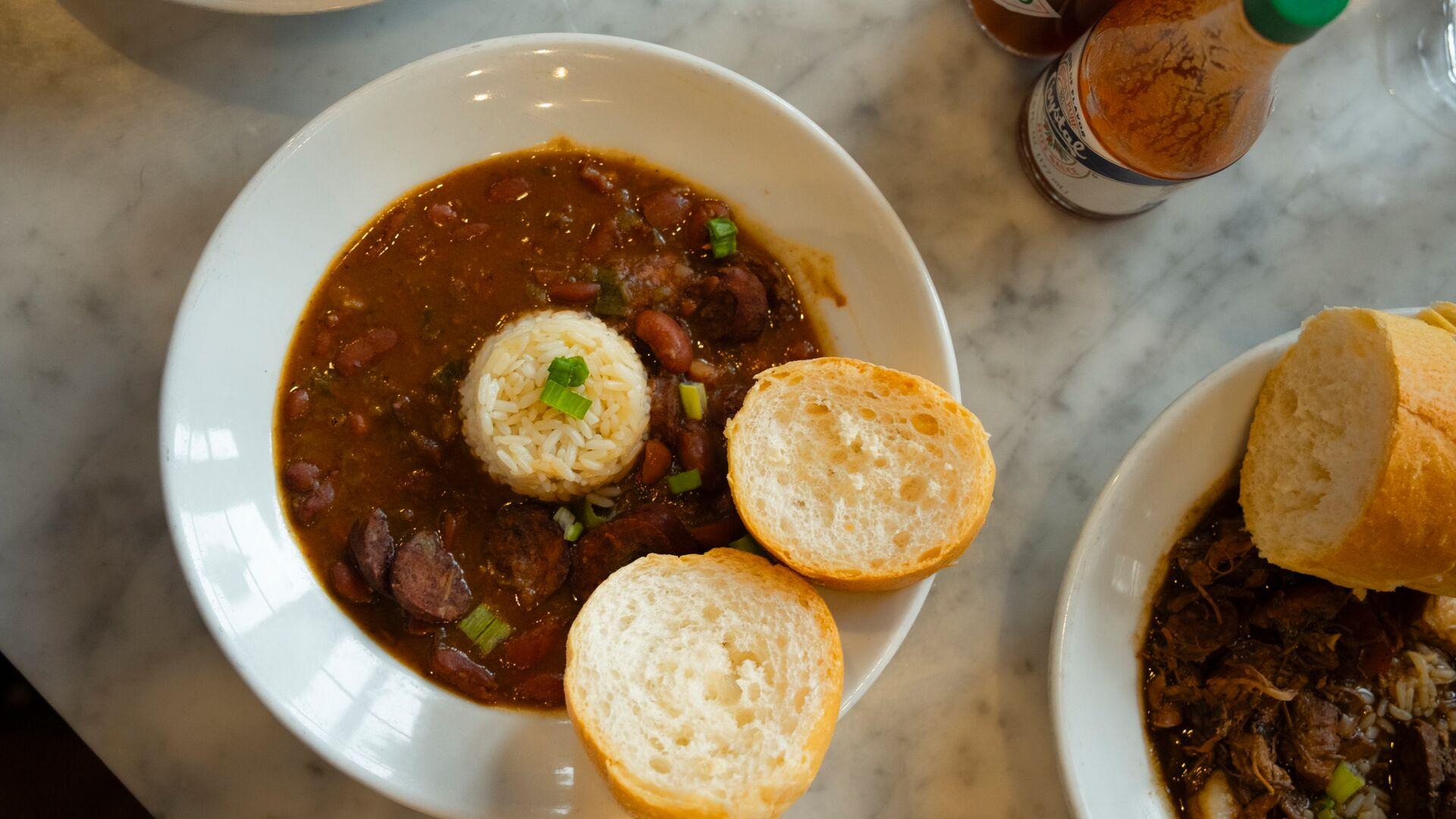
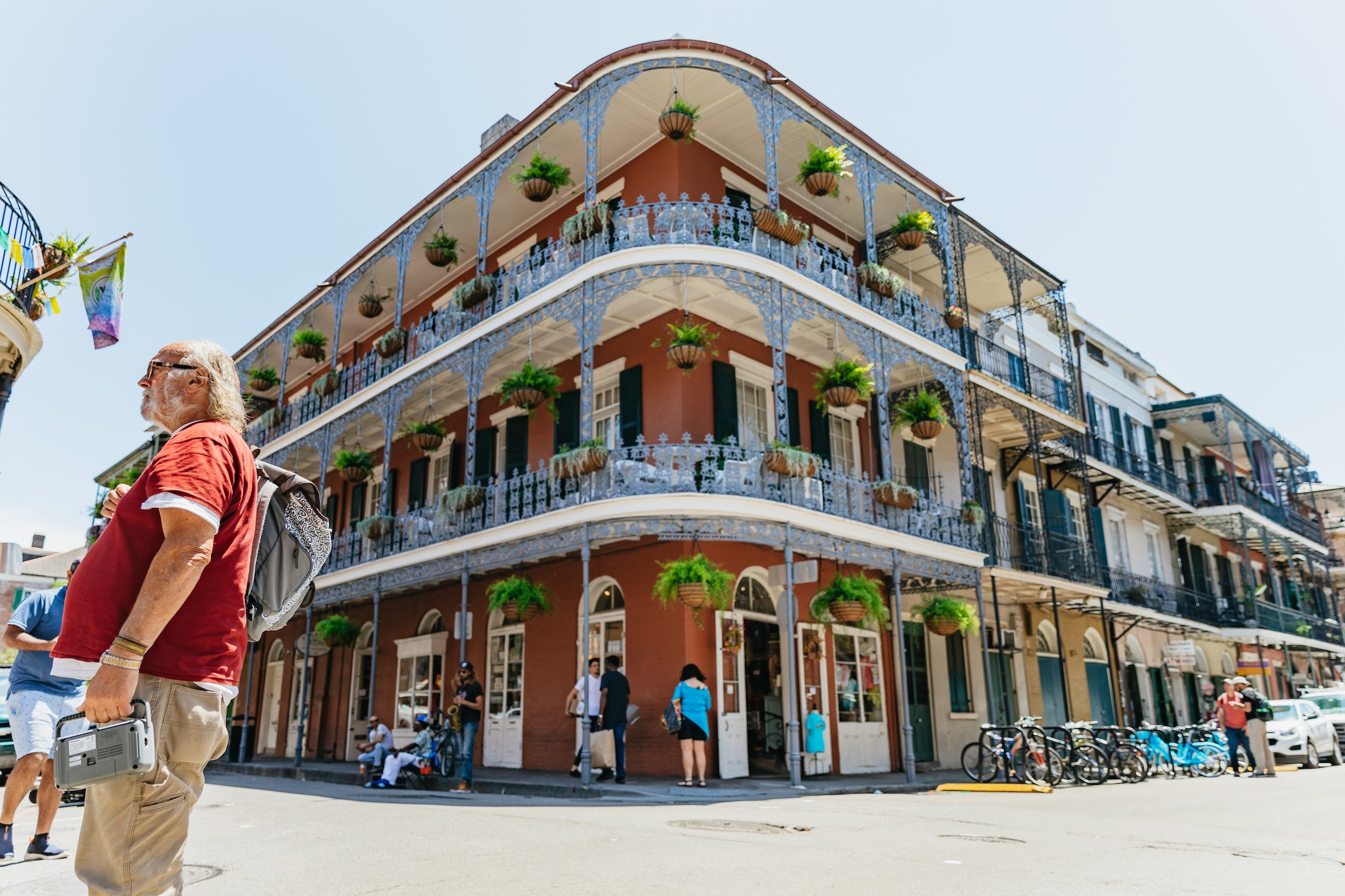
New Orleans consumed 56 million beignets in 2025 alone, most within a six-block radius of Jackson Square. The French Quarter's culinary architecture predates the Louisiana Purchase by eight decades, built on Creole fusion principles that married French technique with Spanish spice, African okra, and Choctaw filé powder long before fusion became a restaurant marketing term. Today's French Quarter food walking tour routes trace the same cobblestone corridors where 18th-century market vendors hawked Gulf oysters and cane syrup, where free women of color operated taverns that introduced gumbo to European palates, and where Italian immigrants established the muffuletta as downtown lunch currency. The district's 78 square blocks contain more than 200 operational restaurants, yet only a fraction occupy structures original to their trade. The iron-lace balconies overhead witnessed yellow fever epidemics, riverboat commerce, and the birth of jazz in backroom kitchens where cooks improvised with leftover rice and Monday red beans. Modern French Quarter food tours navigate a working neighborhood, not a culinary museum. The same bakeries that supply hotels at dawn open retail windows by mid-morning. Corner groceries still stock Zatarain's next to imported Pernod. Praline shops demonstrate two-century-old pecan-candy techniques in storefront windows while cruise passengers photograph the process. The culinary landscape remains remarkably intact because commercial rent structures and family succession have preserved recipes longer than historical preservation ordinances have protected façades. Po'boy construction follows rules established in 1929 during the streetcar strike, when the Martin brothers fed workers with overstuffed French bread. Turtle soup recipes reference techniques from the 1803 handover ceremonies. Muffuletta assembly honors the 1906 Sicilian deli standard: olive salad applied in specific gram ratios to prevent bread saturation. The district's food identity rests on precision, not improvisation. Each praline requires exactly four minutes of stirring. Each beignet demands 242-degree oil. These standards survived Hurricane Katrina's floodwaters because they lived in muscle memory, not written menus. The French Quarter's culinary relevance persists because it operates as both archive and active kitchen. Restaurants here do not recreate historical dishes; they continue making them.
"The district's food identity rests on precision, not improvisation."
A step-by-step walkthrough of the visit — what you'll see, how long each stage takes, and the details that matter.
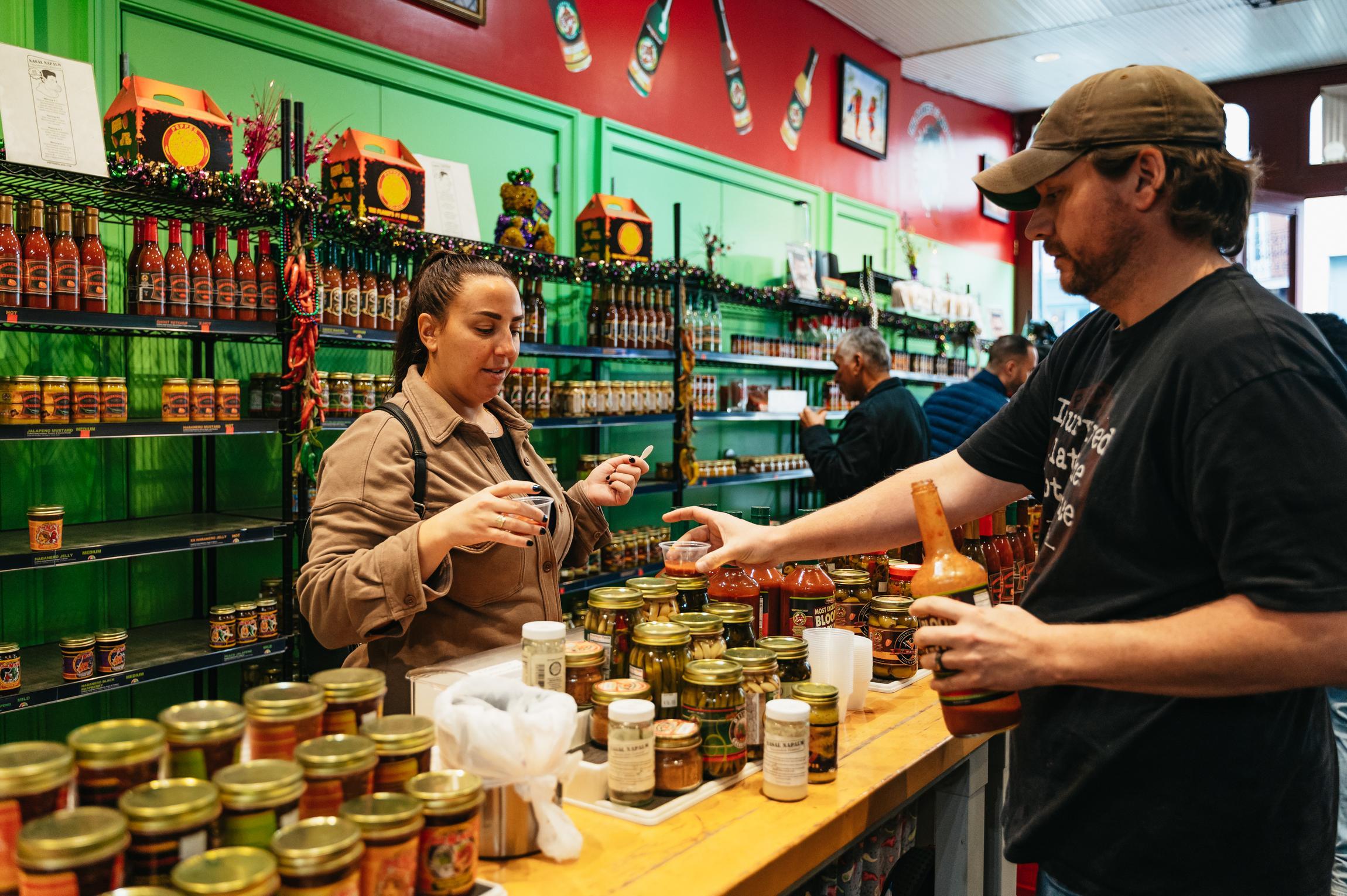
You arrive mid-morning near Jackson Square, where your guide introduces the walk's five-stop structure. The first tasting happens within three minutes: beignets delivered hot with powdered sugar billowing across your shirt. Your guide explains the 242-degree oil temperature while you brush white dust from your camera. You move two blocks toward the river, pausing at a corner grocery that has operated since 1875. Here you sample pralines made in a copper kettle you can see from the sidewalk, the pecan-to-sugar ratio demonstrated in real time. Your guide identifies the specific cane mills that supplied this recipe's molasses in 1890. The third stop occupies a narrow shotgun building on Decatur, where you stand at a marble counter and consume a po'boy constructed to 1929 specifications: fried oysters, shredded lettuce, tomato slices, and mayonnaise on French bread that audibly cracks when torn. Your guide names the sandwich's inventors while you collect crumbs in a napkin. You cross into a quieter block for turtle soup served in porcelain cups, its dark roux base thickened with filé powder your guide passes around for inspection. The final tasting delivers muffuletta wedges at a deli where olive salad has been mixed by hand since 1906. You finish near the French Market, two hours elapsed, your appetite satisfied but your lunch plans intact.
The operator runs from 09:00–17:00 daily to provide a consistent French Quarter food walking tour experience.
Yes, all participants need to purchase tickets in advance for this private service.
The tour involves walking on historic sidewalks, so it may be challenging for some mobility devices on the French Quarter food walking tour.
Bring comfortable shoes, sunscreen, and water for your French Quarter food walking tour.
Cancellations made 24 hours prior are eligible for a refund for the French Quarter food walking tour.
Yes, though the French Quarter food walking tour requires participants to keep up with the group.
Yes, all tastings are included in the price of your French Quarter food walking tour.
Arrive between 09:00–14:00 to maximize your time before the peak afternoon crowds arrive.
Yes, you are encouraged to take photos during your French Quarter food walking tour.